
Last updated: September 2026
Dirt, grit and your carpet: why the first pass is a dry one
Most of what ends up in a carpet anywhere around Chattanooga walks in on a shoe: dry soil, sand, grit and dust, with the family's own hair and dander on top and a thin oily film from cooking and skin holding it all in place. That mixture darkens a carpet and it dulls it, and each of those needs a different answer.
- What comes in on a shoe here is mostly dry soil and grit, with sand off the drive and dust off the road, and the household's own hair and dander landing on top of it every day.
- Grit is hard and it has edges. Under a footstep it scratches the fiber as well as colouring it, so a traffic lane goes dull as well as dark.
- The dulling starts at the base of the pile, below the point a household vacuum in a hurry ever reaches.
- Every job here opens with a thorough dry pass. Wet the grit first and you turn it into mud and drive it down to the backing.
What actually comes in on a shoe
Ask most people what is in a dirty carpet and they say dirt, which is fair, but it helps to know what the dirt is made of, because the parts behave differently. The bulk of it is dry soil and grit off the walk, the drive and the yard. It is carried in on shoes and paws, and it drops within the first stretch of carpet inside whichever door the family actually uses.
Then there is sand, which is heavier and sharper than dust. It does not float, it falls, and it works down between the fibers the moment somebody walks on it. Dust is the opposite. It settles slowly and evenly across a whole room, on the carpet, the shelves and the tops of the door frames alike, and most of it lifts with a vacuum.
On top of the outdoor material comes the indoor kind. Hair, skin flakes and pet dander land on the carpet every day of the year, and none of it ever walked in from outside. Then, from the kitchen, a fine oily film settles on every surface in the house, and the fibers of a carpet are a surface.
That film is the part that turns loose dirt into stuck dirt. Dry soil on its own comes up with suction. Dry soil sitting in a thin layer of cooking oil and skin oil clings, and each week the household vacuum lifts a little less of it, so the lane goes darker while the effort stays the same.
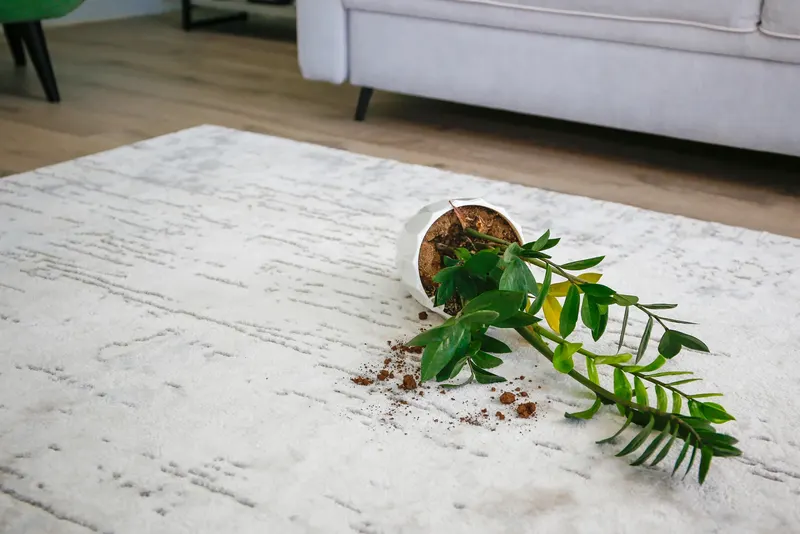
Grit has edges, and edges scratch
The grit that comes off a drive, a walk or a trail is hard, it has edges on it, and it arrives in every size from fine sand up to something you would kick out of the way.
Houses at the end of long unpaved drives take the worst of it, because every car and every pair of boots brings a fresh share up to the door. The Flintstone page goes further into what that does to the carpet in a house that sits at the end of one.
Why the lane goes dull as well as dark
Most people picture one problem, which is color. Dirt has color, the color gets into the fiber, and a carpet cleaner is the person who takes it back out. That part is true and it is fixable.
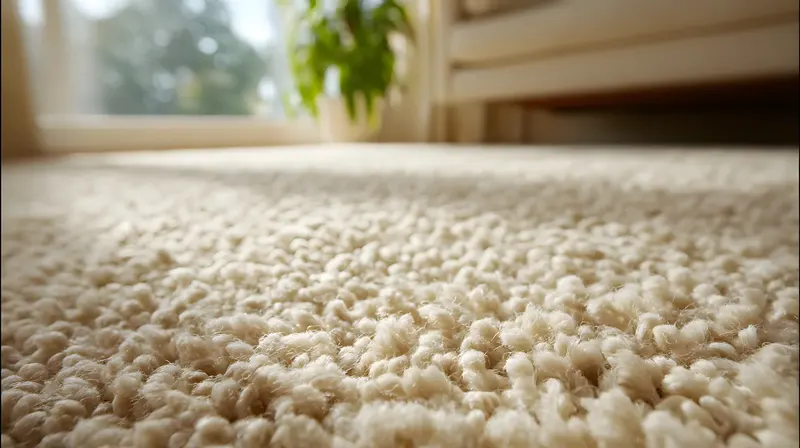
The second problem is mechanical, and hardly anybody talks about it. Grit does not stay on top of the pile. Foot traffic works it down past the point a household vacuum reaches, and it settles at the base of the fiber and stays there. Every step after that presses hard, sharp grit against soft fiber under somebody's whole body weight.
So a traffic lane around here takes both kinds of damage at once. It darkens, which is the part you notice. And it goes dull, which is the part you notice much later, when the hallway looks flat and gray next to the bedroom nobody walks through. The darkening comes back out. The scratched fiber does not.
Mats, shoes and the first stretch inside the door
Most of the grit can be stopped at the door, and it costs almost nothing. A stiff bristle mat outside scrapes the coarse material off the sole before it crosses the threshold, and a washable absorbent mat just inside catches the fine dust and the damp. Wash the inside one before it looks like it needs washing, because once a mat is full it takes nothing else.
Shoes off at the door does more than the mats do, and it is the habit people resist. It is not about being precious with the carpet. It is that a shoe carries grit in the tread, and the tread lets go of it a few steps at a time, so the whole hallway gets a share. Socks carry nothing. Where shoes-off is not going to happen, give the first stretch inside that door more vacuum time than the rest of the house gets, because that short stretch takes the bulk of what comes in.
Every door brings in something different
Our vans go to houses all over the valley and up on the mountains, and the dirt inside the door tells you where the house sits and which door gets used. So houses a few miles apart, with the same carpet laid the same year, wear in completely different ways.
| Which door | What comes in on it | What it does to the carpet |
|---|---|---|
| Front door off a paved walk | Fine dust and dry soil, light and mostly sitting on the surface. | Darkens the mat and the first stretch inside. Lifts well with a vacuum. |
| Back door off a drive or a yard | Sand and coarse grit, damp soil, grass and leaf bits, and whatever the dog brings in. | Drops in the first stretch and works down. This is the door that scratches. |
| Door off a trail or a mountain street | Fine, hard trail grit. | Scours the pile while the carpet still looks clean, and rides straight up any carpeted stairs. |
The trail grit is the one that fools people. It is fine enough to work down to the base of the pile, well under the level where dark dirt shows, so a carpet on a mountain street can look reasonably clean while it is being scoured daily. That is a regular job for us on Signal Mountain, where the trail tends to start at the end of the street and come straight up a carpeted staircase.
The dry pass comes before any water
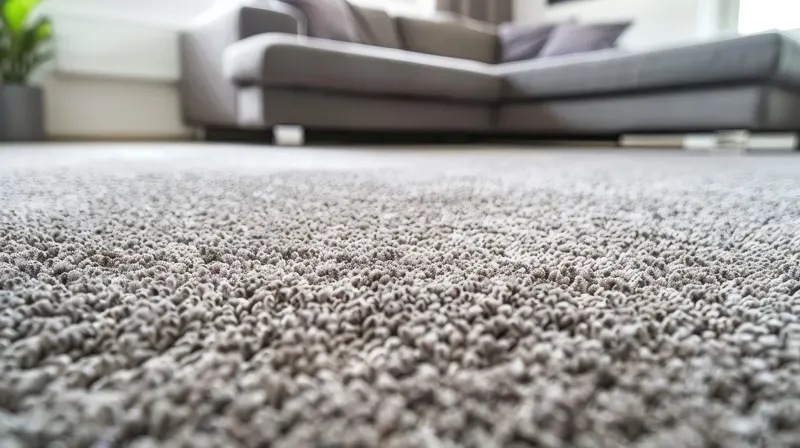
Once you accept that a good share of what is in a carpet around here is dry grit, the order of work changes. Most people expect a carpet cleaner to start wetting things. On this dirt that is the wrong first move.
We walk the rooms first
You show us the lanes and the doors everybody actually uses, we measure, and the technician reads the care tag on anything soft before a single machine is plugged in.
Then a slow dry pass
Suction only, worked from more than one direction on the lanes and the first stretch of carpet inside each door. This is where the grit leaves your house.
Then the low-moisture clean
Very little water goes down. The technician knows the cleaning code by now, so the solution matches the fiber in front of him, whether that is a nylon hallway, a wool rug or a sofa whose label calls for solvent only, and the film is broken so the soil lifts out with the solution.
Dry in about an hour
Furniture goes back and the dog comes in off the porch, because the solutions are non-toxic and safe for kids and pets, and nothing sits damp overnight.
Wetting grit first is the one mistake that drives it deeper. Moisture turns loose grit into mud and carries it below the fiber tips, where the only thing still able to move it is a shoe. If something spills on a gritty lane, blot it and leave it be. Scrubbing wet grit across carpet does more damage in a few seconds than the spill ever would.
When it is past what a vacuum can reach
The habits above buy you time. They do not stop the clock, because the material that does the scratching is already at the bottom of the pile by the time a lane looks gray. When it gets there, our carpet cleaning is a low-moisture process and the ground-in lanes are part of the ordinary job. Because the solution comes back out with the soil instead of drying into a film of its own, the carpet stays cleaner about three times longer than one cleaned with too much water. The person doing it is a LocalPro employee.
| What you are booking | Starting at |
|---|---|
| Three rooms, up to 450 square feet total | from $109 |
| Each additional room | typically $40–$50 |
| Hallway, any length | typically $20–$30 |
| Stairs, per flight | typically $40–$50 |
| High-traffic treatment, per room | typically $20–$30 |
| Area rugs, any fiber, cleaned on your own floor | from $1 / sq ft |
Every visit starts at $99. No fiber pays extra: the rate is the same whether the rug is wool, silk or polyester. What changes is the chemistry and how slowly the technician works it. Rugs never leave the house, and the whole figure goes on paper before anyone starts.
Call 423-284-0493 and tell whoever answers which door the family comes in through, because that is where the grit is. Text 423-284-0493 if that is easier. The phone is answered Monday to Saturday, 8 AM to 6 PM, and the guarantee does not change: love the clean or it is free.
Questions homeowners around Chattanooga ask about dirt and grit
What is the dirt in a carpet around Chattanooga actually made of?
Mostly dry soil and grit walked in on shoes, with sand off the drive, fine dust off the road, and the family's own hair and pet dander on top. Then a thin oily film from cooking and skin settles over all of it and holds it in place. The dry part comes up with suction. The film is what the cleaning solution is for, and the two need doing in that order.
Why does grit dull a traffic lane instead of only darkening it?
Because grit is hard and it has edges. Foot traffic works it down to the base of the carpet fibers, and every step after that presses it against the fiber under somebody's whole weight. Over months the surface of each fiber gets scratched, and a scratched fiber stops reflecting light evenly, so the lane looks flat and gray even after the dirt has been cleaned out of it. The darkening comes back out. The scratching does not.
Should I vacuum before the carpet cleaner arrives?
If you have time, yes, it never hurts. But do not wet anything, and do not worry if you cannot. Every job we do here opens with our own slow dry pass, worked from more than one direction over the lanes and the first stretch inside each door, because a household vacuum in a hurry lifts what is on the surface and leaves what has settled at the base. That dry pass is the step that gets the grit out before it scratches anything.
Is sand worse for carpet than ordinary dust?
Yes, and for a plain reason. Dust floats, settles evenly across the room, and mostly lifts with a vacuum. Sand is heavier and sharper. It drops within the first stretch of carpet inside the door, it works down between the fibers the moment someone walks on it, and it is the part of the dirt that does the scratching. A house with a sandy drive or a back door onto the yard gets far more of it than a house off a paved walk.
Which doormat setup keeps the most grit off the carpet?
Two mats, and the outside one does the heavier work. Something stiff enough to scrape a sole clean belongs on the step of whichever door the family really uses, with something soft and washable just inside it for the fine dust and the damp. Even so, shoes off at the door beats any mat, because a tread lets go of its grit a few steps at a time and the whole hallway gets a share.
Does cooking really put a film on the carpet?
It does, and it is the reason a lane near the kitchen goes gray faster than the carpet elsewhere. Frying sends a fine mist of oil into the air, and it settles on every surface in the house, including the fibers of the carpet. On its own you would never see it. But dry soil clings to it, so the dirt stops coming out week by week and starts building up. The low-moisture clean breaks that film so the dirt lets go.
Does cleaning more often really slow the wear down?
Yes, and it is the honest reason to book. Color comes back with a cleaning. Fiber that has already been scratched dull does not. Every month a gritty lane goes uncleaned is another month of hard grit being walked deeper into the base of it. Three rooms up to 450 square feet start at $109. Ordinary lanes come up inside that price; only a lane packed hard over years needs the high-traffic treatment, typically $20 to $30 for that room.
Back on your floor before lunch is over.
Low-moisture deep clean, dry in about an hour · Love the clean or it's free.